
← Back to home

The craft · Step by step

Learn sushi. The craft behind every piece.

Sushi looks simple on the plate, but every piece carries dozens of small decisions — about freshness, temperature, pressure, and timing. Here is how I approach each stage, from the market to the final cut.

Where we're headed — a finished roll, glazed and ready
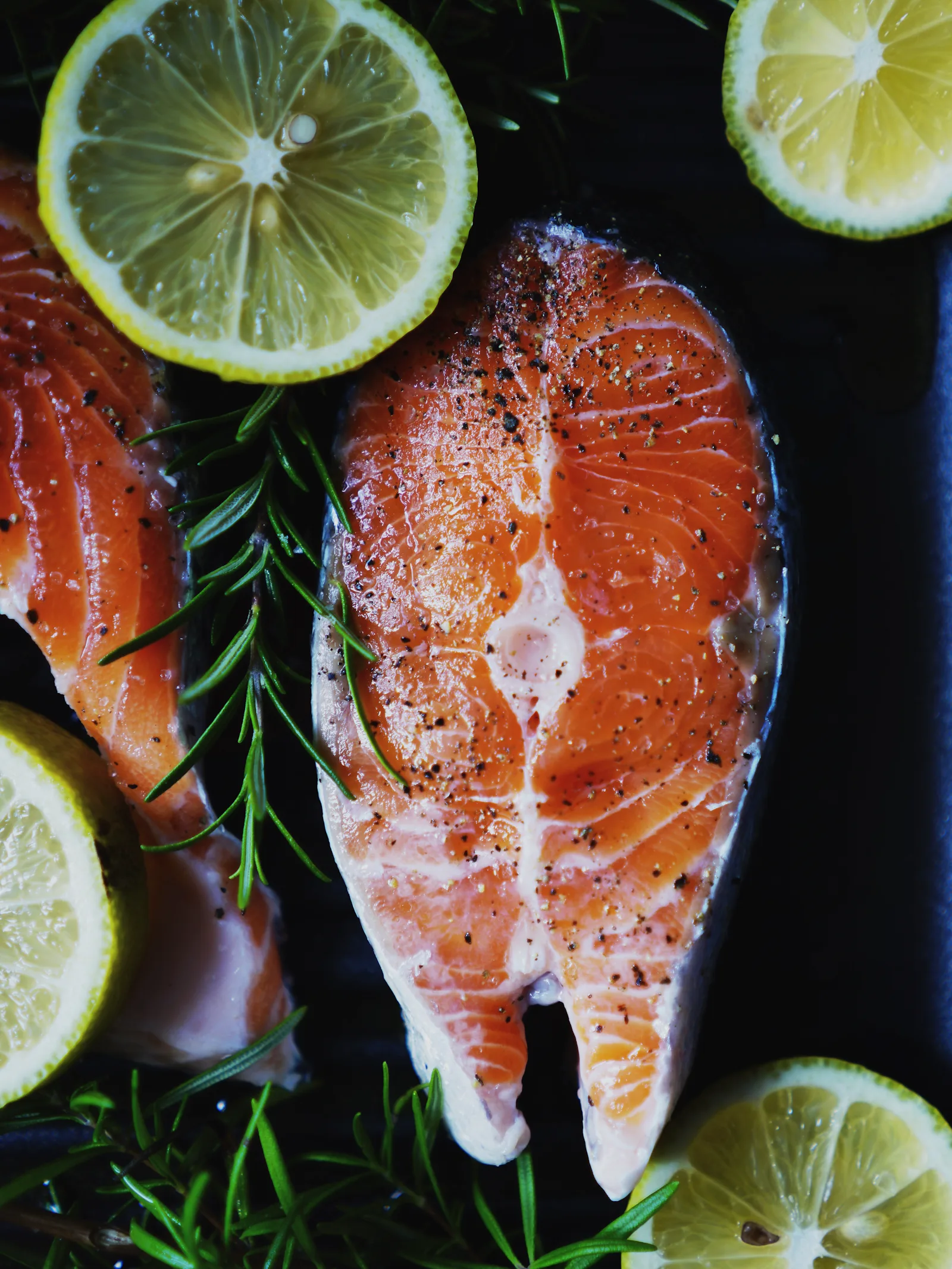
Fresh salmon steaks with lemon slices and rosemary on a dark tray

Sourcing · Ingredients

It Begins with the Fish

Every piece of sushi begins long before a knife is lifted — at the market, choosing the fish. Look for flesh with bright, saturated color, a clean ocean scent, and firmness that springs back when pressed. Dull color, fishy odor, or soft flesh are all signs to walk away.

For your first attempts at home, salmon is the most forgiving teacher: it's widely available, affordable, and its high fat content makes it tender even if your knife work isn't perfect yet. Just be sure to buy fish labeled sashimi-grade, which means it has been handled and frozen specifically for raw eating.
Shari · The Foundation

Rice Is Half the Craft

Ask any sushi chef and they will tell you: the rice matters more than the fish. Shari — seasoned sushi rice — is short-grain rice washed until the water runs nearly clear, cooked slightly firm, then folded with a warm blend of rice vinegar, sugar, and salt while fanning it to a glossy sheen.

The goal is rice at body temperature: warm enough to release aroma, cool enough not to cook the fish. Each grain should stay distinct — never mushy, never dry. This single skill takes chefs years to perfect, and it is the best place for a beginner to start practicing.

Preparation · Breaking Down

From Fillet to Saku Block

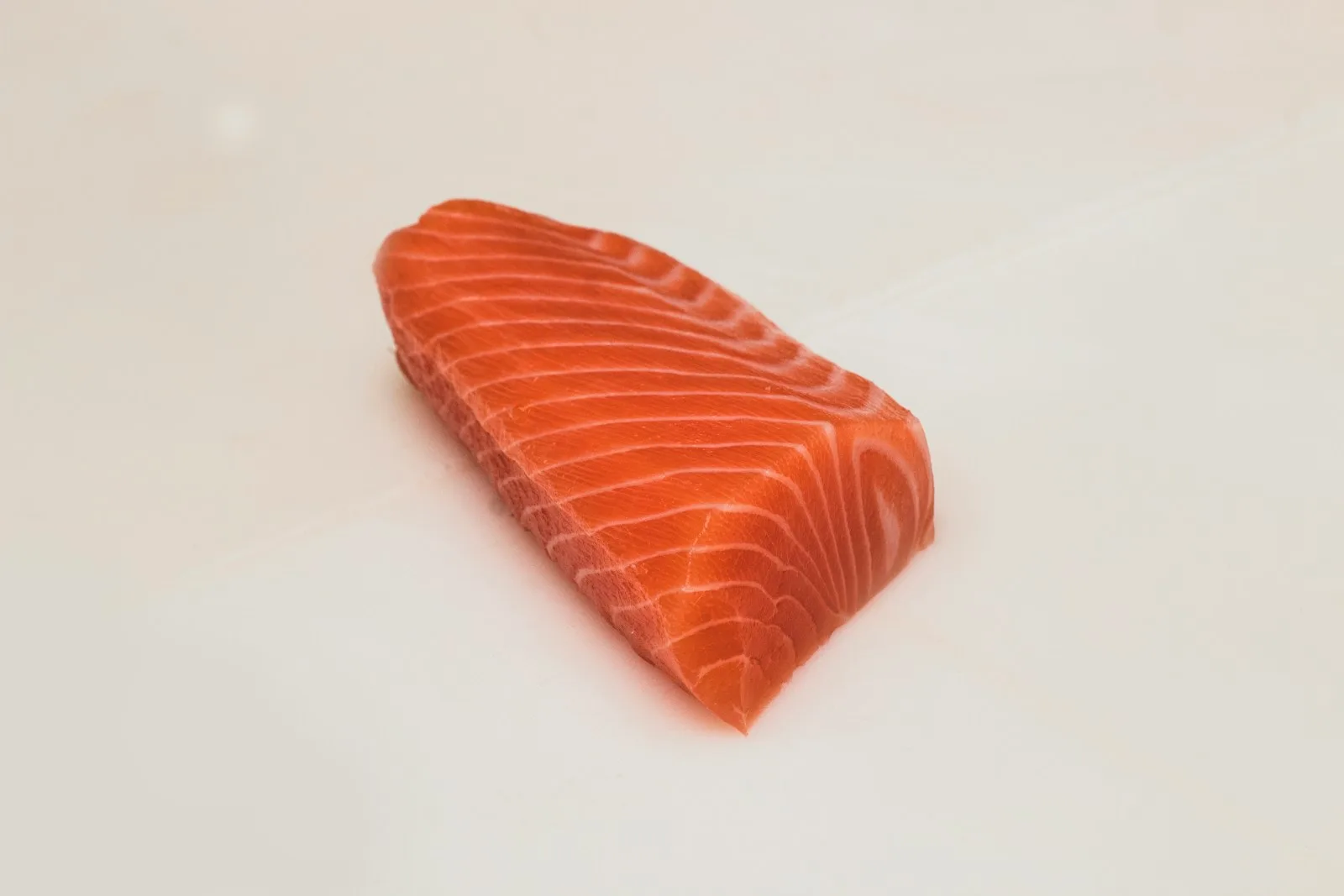
Before fish can top a piece of sushi, it must be broken down: skin removed, bloodline trimmed, pin bones pulled, and the fillet squared into a neat rectangular block called a saku. A clean block is what allows every slice that follows to be even and beautiful.

Some fish are cured before serving — mackerel is salted and bathed in vinegar, and even salmon benefits from a short rest wrapped in paper towel to draw out excess moisture. These quiet steps are invisible on the plate, but you can taste every one of them.

A perfectly trimmed block of salmon on a white cutting board

Knife Work · Hikizukuri

One Long, Confident Stroke

Sushi slicing is one motion: place the heel of the blade on the fish and draw it through in a single long pull, letting the knife's weight do the work. Never saw back and forth — sawing tears the delicate cell structure and turns silk into mush.

Angle matters as much as motion. A steep 45-degree bias cut widens each slice and shortens the muscle fibers, which is why a good slice of sashimi seems to melt. For nigiri, aim for slices about 6 mm thick — substantial enough to drape, thin enough to yield.

Nigiri · The Gentle Press

Shaped by Hand, Not Squeezed

Nigiri is a paradox: it must hold together when lifted with chopsticks, yet fall apart the moment it enters the mouth. The secret is pressure — or rather, the near-absence of it. Take a walnut-sized measure of rice, form it loosely, lay the fish over it, and press with two fingers just enough for the two to agree to stay together.

Professionals do this in three or four fluid motions and a few seconds, keeping the rice airy inside. Beginners should aim slower: wet your hands to prevent sticking, keep the rice loose, and resist every instinct to squeeze harder.

Maki · The Bamboo Mat

Rolling It All Together

Maki is where a beginner's practice becomes something to share. Lay a sheet of nori shiny-side down on the bamboo mat, spread a thin, even layer of rice edge to edge — leaving a bare strip at the top to seal — and line your fillings in a neat row across the center.

Lift the near edge of the mat and roll forward in one continuous motion, tucking as you go and pressing gently to set the shape. Slice with a sharp, wet knife in single strokes: first in half, then each half into thirds, for six even pieces.

Taste it yourself

Ready for the real thing?

See the finished pieces in the sushi gallery, or reach out to book a private omakase experience.

View the gallery ↗ Book private dining ↗